In today’s competitive marketplace, information is often your most valuable asset. At Roussos Law Group, we help businesses protect their confidential data and trade secrets through legally enforceable Non-Disclosure Agreements (NDAs).
Our firm drafts, reviews, and negotiates NDAs that balance business protection with practicality — whether you’re working with vendors, employees, investors, or strategic partners.
A Non-Disclosure Agreement, sometimes called a confidentiality agreement, is a legally binding contract that prohibits one or more parties from sharing proprietary or sensitive business information. NDAs are widely used in Florida to safeguard trade secrets, financial data, customer lists, marketing plans, and technology designs.
NDAs can be:
Florida’s Uniform Trade Secrets Act (Chapter 688, F.S.) provides additional protections for confidential business information, but an NDA strengthens those rights by clearly defining what information is covered and how it must be handled.
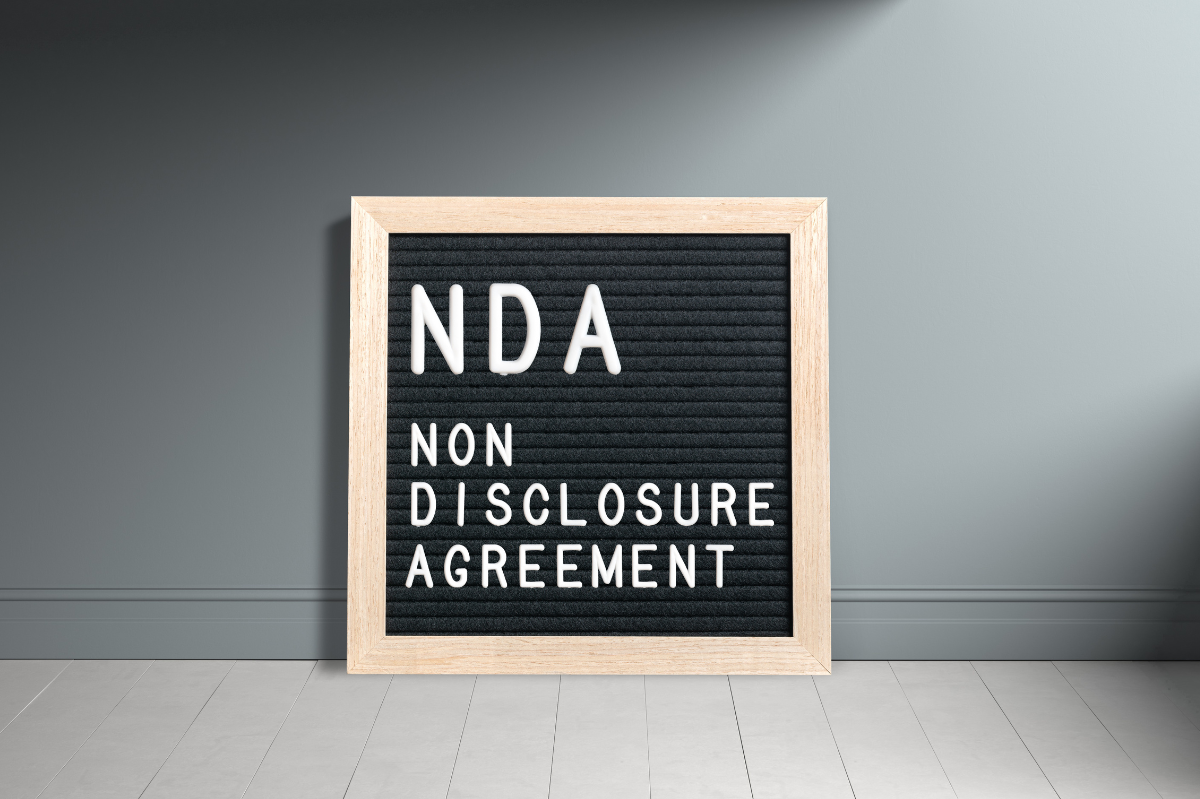
Every business relies on trust — but trust alone won’t protect your proprietary data. An NDA creates enforceable boundaries and helps prevent misuse or unauthorized disclosure of your company’s confidential materials. Well-drafted NDAs help:The Importance of Non-Disclosure Agreements
Even small mistakes in an NDA can undermine its enforceability. Our attorneys help clients avoid common pitfalls such as:
Every NDA should be tailored to your specific business purpose — not just downloaded from the internet.
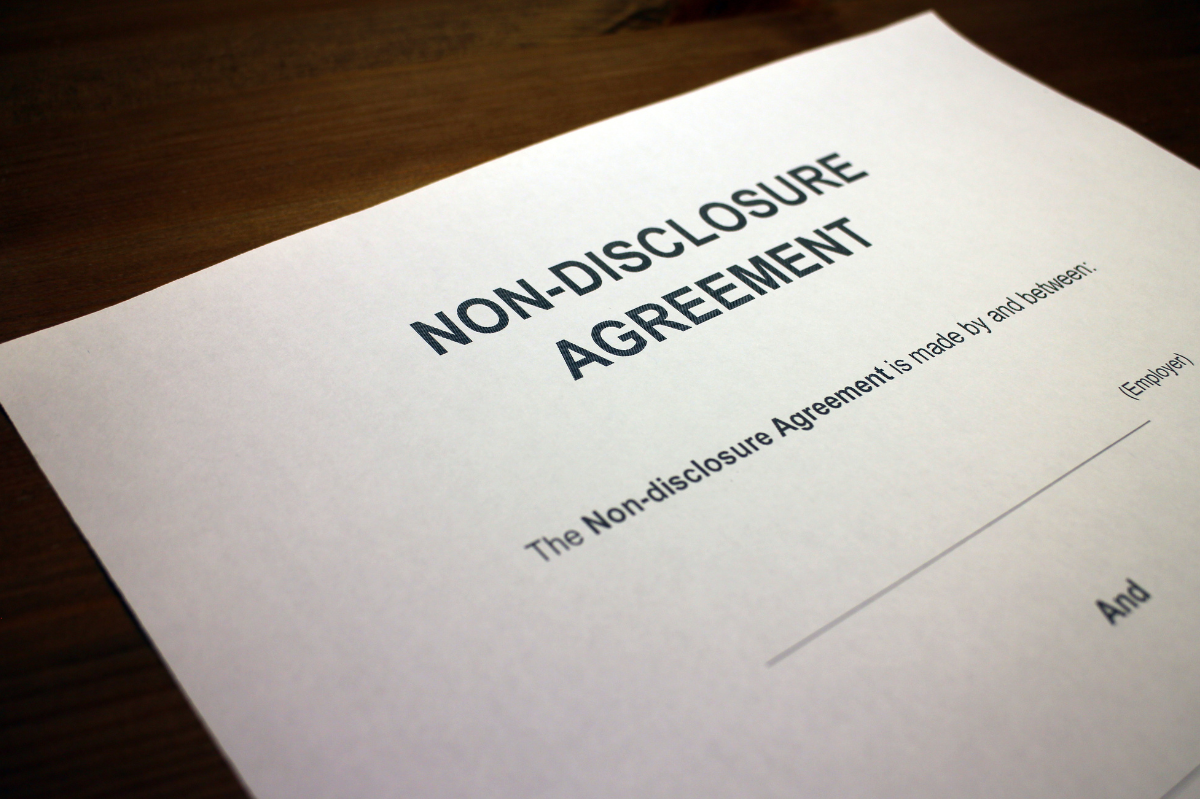
By working with an experienced attorney, you can ensure your NDA is enforceable and aligned with your business objectives.
Yes — as long as they are specific, reasonable in scope, and protect legitimate business interests under the Florida Uniform Trade Secrets Act.
No. NDAs protect confidential information, not employment competition. For that, a separate non-compete agreement may be required.
You may be entitled to injunctive relief, monetary damages, or both, depending on the agreement’s terms and the extent of the breach.
Yes. Most NDAs specify a duration, typically two to five years, though trade secret obligations may continue indefinitely.
Any time you share proprietary information, it’s wise to have a written confidentiality agreement in place.
Our experienced attorneys are ready to guide you through every step with confidence.

Founder

Director of Criminal Defense & Equity Partner

Equity Partner
Complete the form below to connect with a Roussos Law Group attorney for your free, confidential consultation.
Yes — as long as they are specific, reasonable in scope, and protect legitimate business interests under the Florida Uniform Trade Secrets Act.
No. NDAs protect confidential information, not employment competition. For that, a separate non-compete agreement may be required.
You may be entitled to injunctive relief, monetary damages, or both, depending on the agreement’s terms and the extent of the breach.
Yes. Most NDAs specify a duration, typically two to five years, though trade secret obligations may continue indefinitely.
Any time you share proprietary information, it’s wise to have a written confidentiality agreement in place.