For many drivers convicted of DUI in Florida, installation of an ignition interlock device (IID) is mandatory before their driving privileges can be reinstated. These devices are designed to prevent a vehicle from starting if alcohol is detected — but they can also be costly, inconvenient, and complicated to manage.
At Roussos Law Group, we help clients understand their ignition interlock obligations, challenge unnecessary requirements, and guide them through compliance with Florida’s DUI laws. Our firm provides the knowledge and support needed to navigate every stage of the DUI process.
Under Florida Statutes §316.1937 and §322.2715, drivers convicted of DUI may be ordered to install an ignition interlock device (IID) as a condition of reinstating their driving privileges.
An IID requires the driver to blow into a breath sensor before the vehicle will start. If alcohol is detected above a preset limit (usually 0.025%), the car will not start, and a violation may be reported to the Florida Department of Highway Safety and Motor Vehicles (FLHSMV).
Typical IID requirements:
Drivers must pay installation and monthly calibration fees, typically ranging from $110–$150 per month (most recent data), and ensure the device remains properly serviced and inspected.

Violating ignition interlock requirements can lead to further penalties or license suspension. The Florida Department of Highway Safety and Motor Vehicles (FLHSMV) monitors all IID reports and may impose sanctions for noncompliance.
Common IID violations include:
Possible consequences:
This summary is provided for educational purposes and may not reflect the most recent statutory updates. Always consult an attorney for advice specific to your situation.
At Roussos Law Group, we assist clients before, during, and after ignition interlock installation to ensure compliance and avoid unnecessary penalties.
Our DUI defense team helps you:
Because these devices are both mechanical and legal in nature, having an attorney experienced in Florida’s administrative and criminal DUI procedures can help you stay compliant and get back on the road legally.
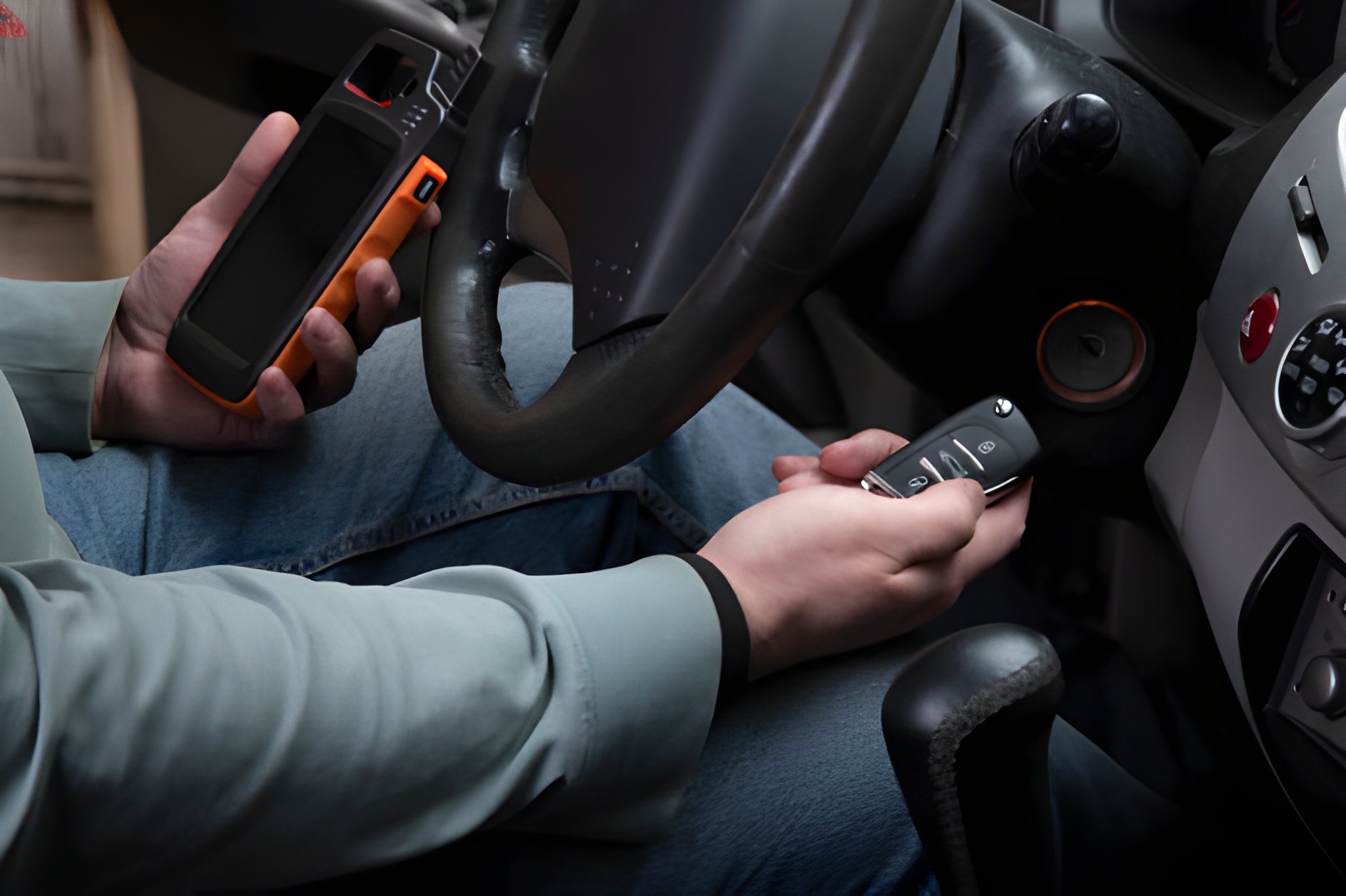
If you are required to install an ignition interlock device, follow these key steps:
Failure to meet any of these obligations can result in extended suspension or further penalties.
It depends on your BAC, prior DUI history, and whether a minor was in the car. The court or DHSMV determines installation requirements.
Usually 6 months for a first high-BAC DUI, 1 year for a second DUI, and 2 years for a third.
The driver is responsible for installation and monthly service fees unless the court grants financial hardship relief.
No. If ordered to use an ignition interlock, you may drive only vehicles equipped with one.
The device will log the failure and may trigger penalties, including extended time on the program or suspension.
Our experienced attorneys are ready to guide you through every step with confidence.

Founder

Director of Criminal Defense & Equity Partner

Equity Partner
Complete the form below to connect with a Roussos Law Group attorney for your free, confidential consultation.
It depends on your BAC, prior DUI history, and whether a minor was in the car. The court or DHSMV determines installation requirements.
Usually 6 months for a first high-BAC DUI, 1 year for a second DUI, and 2 years for a third.
The driver is responsible for installation and monthly service fees unless the court grants financial hardship relief.
No. If ordered to use an ignition interlock, you may drive only vehicles equipped with one.
The device will log the failure and may trigger penalties, including extended time on the program or suspension.