Field sobriety tests are among the most common tools used by police officers during DUI investigations, but they are also some of the most misunderstood. While these tests are meant to help officers assess impairment, they are subjective, error-prone, and heavily influenced by environment, nerves, and physical conditions.
At Roussos Law Group, we have extensive experience defending clients accused of DUI based on field sobriety exercises. Our legal team understands how these tests are administered, scored, and challenged in court.
When an officer suspects a driver is impaired, they may request a series of Standardized Field Sobriety Tests (SFSTs) to gauge coordination, balance, and cognitive function. These tests are recognized by the National Highway Traffic Safety Administration (NHTSA) and must be conducted under specific conditions to be reliable.
Common tests include:
Additional, non-standardized exercises such as reciting the alphabet or touching your nose are sometimes used but are not officially approved by NHTSA and carry even less evidentiary value.
Environmental conditions, fatigue, injury, and even footwear can all affect results. Officers are required to explain and demonstrate each test properly and evaluate performance objectively — but that does not always happen.
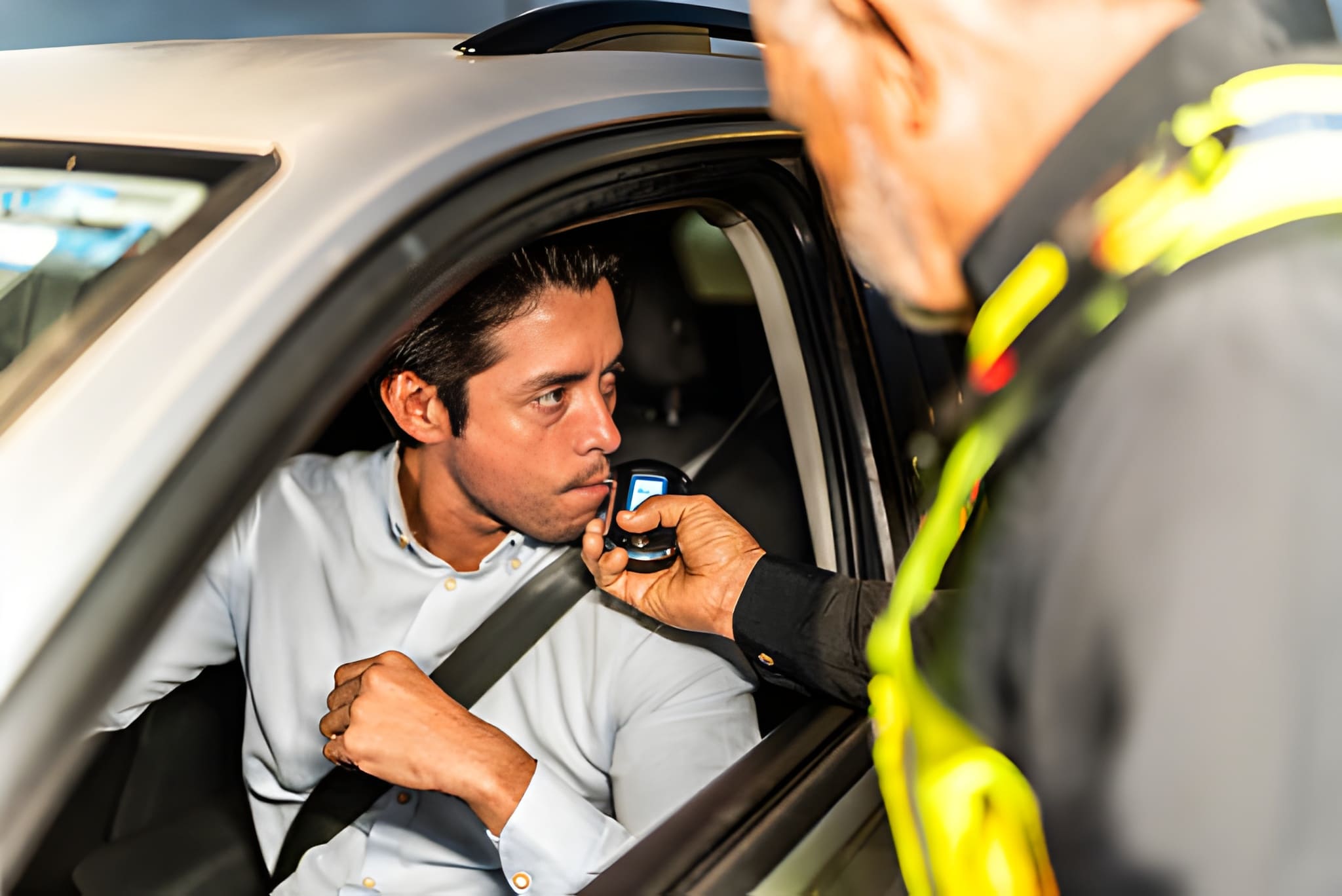
While field sobriety tests are not themselves criminal offenses, poor performance often serves as probable cause for a DUI arrest and can lead to both administrative and criminal penalties under §316.193.
If you are arrested following these tests, possible consequences include:
It’s important to understand that failing or refusing a field sobriety test does not guarantee a DUI conviction. Proper legal review can uncover inconsistencies or procedural errors that undermine the reliability of the tests.
This summary is provided for educational purposes and may not reflect the latest statutory updates. Always consult an attorney for advice specific to your case.
At Roussos Law Group, we analyze every aspect of how field sobriety tests were conducted, including the conditions, officer training, and accuracy of the evaluation.
We look for errors such as:
Our DUI Defense attorneys know how the State uses field test results to justify arrests, and how to challenge their reliability using scientific and procedural evidence.
If you were arrested based on field sobriety tests, take these steps immediately:
Every detail can make a difference — from what shoes you wore to how directions were explained.
Yes. These tests are voluntary. However, refusal may lead the officer to arrest you if they believe there is probable cause for DUI.
Not always. Even under ideal conditions, the NHTSA acknowledges a margin of error. Fatigue, nerves, or health issues can cause poor performance unrelated to alcohol.
No. You can politely decline. Refusing field sobriety exercises is not the same as refusing a breath or blood test under Florida’s implied consent law.
Yes. Your attorney can review video evidence, cross-examine the arresting officer, and challenge the validity of the testing conditions or scoring.
No. Field sobriety exercises are only one piece of evidence in a DUI case, and they can often be successfully disputed.
Our experienced attorneys are ready to guide you through every step with confidence.

Founder

Director of Criminal Defense & Equity Partner

Equity Partner
Complete the form below to connect with a Roussos Law Group attorney for your free, confidential consultation.
Yes. These tests are voluntary. However, refusal may lead the officer to arrest you if they believe there is probable cause for DUI.
Not always. Even under ideal conditions, the NHTSA acknowledges a margin of error. Fatigue, nerves, or health issues can cause poor performance unrelated to alcohol.
No. You can politely decline. Refusing field sobriety exercises is not the same as refusing a breath or blood test under Florida’s implied consent law.
Yes. Your attorney can review video evidence, cross-examine the arresting officer, and challenge the validity of the testing conditions or scoring.
No. Field sobriety exercises are only one piece of evidence in a DUI case, and they can often be successfully disputed.